Arthur Pinkers to speak at the SFVOS on September 3rd, 2014 7pm

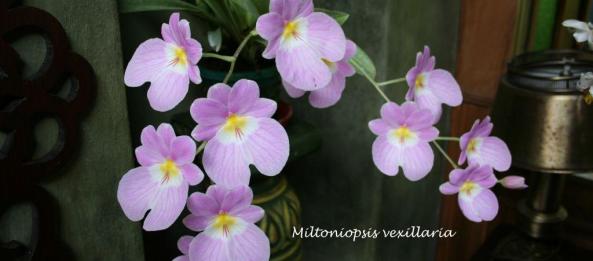
Subject: Miltoniopsis

Many of you will recall what an interesting speaker Arthur is from a previous talk he presented.  His goal is to make it fun while teaching us to be successful growing orchids.

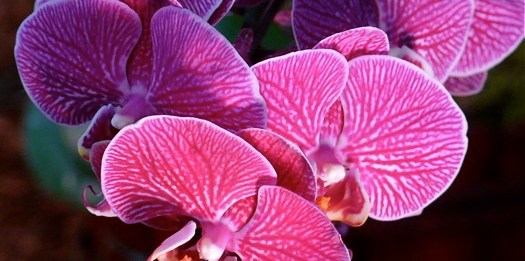
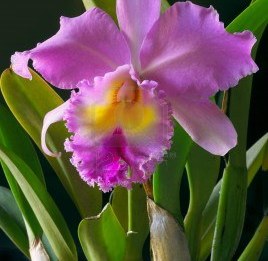
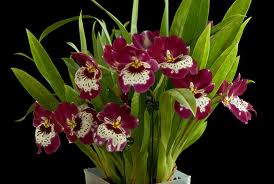
The Miltoniopsis may be distinguished by their pansy-like petal arrangement.  Arthur is bringing selected orchids from a Santa Barbara grower for the Plant .Opportunity Table.

You won’t want to miss the opportunity to be a winner so be sure to bring cash or a check to participate in the drawing and possibly go home with a lovely plant.

See you at the next meeting at the Sepulveda Garden Center, at 7:00 pm.


By pamaitchison Posted in Meetings

Orchids of the Shan Plateau will be presented by Winn Winmaw 7/2/14

This month’s speaker is none other than Newport Orchid Society member Winn Winmaw.  Winn and his wife, Chitsaya, are on the Board of Directors for the NHOS.  Winn was born in Shan State, Eastern Burma, where Cymbidiums, Vandas, Dendrobiums and Paphiopedilums are found abundantly in the wild.  Winn began collecting orchids at the age of 7 and has been fascinated with them ever since.

As an undergraduate of physics at the University of Rangoon, Winn was a member of the Department of Botany’s Orchid Society.  Winn also lived in Japan for four years for further study and training.  He moved to the United States in 1998 and settled in Orange County.

Winn recently made several trips back to Burma to study orchids in their native habitat.  He made an expedition to the Shan Plateau, which will be the subject of his talk on Wednesday night.   Winn will talk about his adventurous and treacherous journey and bring us photographs of the orchids he encountered along the way.   Don’t miss this exciting presentation at the San Fernando Valley Orchid Society’s next regular meeting on July 2nd, 2014 at 7:00 pm.

June 4th SFVOS Meeting Topic “Preventing Orchid Pests and Disease”

Our next meeting for the San Fernando Valley Orchid Society will be on Wednesday,  June 4th, 2014 at 7:00 pm.   Our very own Pamela Aitchison will be our speaker for our June meeting.  Pam is a Certified Master Gardener from the University of California and has been for many years.  She is regular guest lecturer at California State University at Northridge (CSUN), and is also a mentor and trainer for the new class of Master Gardener interns each year.   She regularly teaches gardening classes at Garden Clubs, Community Centers and Schools and answers gardening questions in the Gardening Information booth at the LA County Fair every year.

Pam has served on our SFVOS Board of Directors for the last two years, is our (http://www.sfvos.com) webmaster and Co-Editor for our newsletter.  Pam lives in Northridge and has loved orchids most of her life. She has been growing orchid plants for many years and grows many types of orchids in her small greenhouse and outdoors.  Her favorites include Arpophyllum, Cattleyas,  Dendrobiums, Epidendrums, Oncidiums,  Miltonias, Vandas, Vanilla Orchids and Zygopedalums.

At our June meeting Pam will be sharing information about growing conditions that can lead to problems, pests such as insects, snails and spider-mites and she will discuss both fungal and bacterial diseases that can infect your beautiful plants and decimate your collection.   Pam will bring a PowerPoint presentation with many colorful photographs that demonstrate what to look for and how to deal with problems when they occur.   Please join us at our June meeting to learn about how to keep your orchids healthy and free of pests and disease

Heat Stress

Heat Stress

By Susan Jones

Like people, orchids, especially those that prefer cooler, shadier environments, can suffer from heat stress during the hot summer months. The midday sun is intense, especially during the summer, and the high temperatures that bright sunshine brings can burn your orchids quickly, especially the more sensitive types such as phalaenopsis, pleurothallids, paphiopedilums and miltonias.

Heat stress is a condition that occurs in orchids and other plants when excessive heat causes an imbalance in transpiration, the process by which moisture evaporates from the plant’s tissues. When that rate of evaporation exceeds the pace at which moisture is being replaced through water taken up by the orchid’s roots, the plant becomes dehydrated — leaves soft and wilted, pseudobulbs wrinkled and ridged. The instinctive response in this situation is to overwater the orchid to correct the dehydration. This can instead make matters worse by rotting the plant’s root system, further hampering its ability to take in much-needed hydration. The roots can only absorb so much water at one time. In addition to watering, control of heat and humidity play a significant role in the prevention and management of heat stress.

Avoiding heat damage - © 2008 by Greg Allikas
Placing a mounted plant in an empty clay pot can help retain moisture around roots. The microclimate of higher humidity helps prevent heat stress and aids stressed plants in recovering.

Signs of Heat Stress
These symptoms may appear singly, even in otherwise fairly healthy orchids. When they appear in combination, however, it is usually an indication of heat stress or an underlying problem (such as root loss) that has lead to heat stress.

Yellowing of Plants and Leaves Too much light causes a plant’s chlorophyll to deteriorate, which can turn your orchid an anemic yellow-green, and eventually cause premature loss of leaves. Most healthy orchids receiving appropriate light levels will be a robust light green.

Withered Leaves The culprit, especially in summer weather, can be overheating. If your plant’s leaves feel warm to the touch, they could be getting too much light, and need increased air circulation and shading, or a move to a more protected area.

Sunburn Initial signs of sunburn, as in humans, appear as a reddish-purple tint or freckles on leaves and pseudobulbs. In advanced stages, leaf tips and roots may brown, flowers drop, buds blast or flower spikes fail altogether.

Shriveled Pseudobulbs Your orchid’s pseudobulbs serve as its water-storage organs, so shriveled pseudobulbs indicate a dehydrated orchid – it is in a stressed state, having used up its moisture reserves.

Leathery Leaves This goes beyond mere wilting, and occurs in the advanced stages of heat stress, indicating severe desiccation and possible damage on the cellular level. Depending on how long the condition has persisted, the type of orchid and its overall health aside from the leaf damage, it may or may not recover once its leaves are parched.

Mounted orchids are suceptible to heat damage - photo © 2008 Greg Allikas
Mounted orchids are particularly sensitive to higher temperatures and require additional water and humidity during hot weather. This Cattleya hybrid exhibits the yellowing leaves and wrinkled pseudobulbs typical of heat-stressed plants.

Prevention
Your orchids need lots of attention during the summer months, especially on hot days. With higher temperatures, orchids require more frequent watering to prevent dehydration. High temperatures quickly dry out mounted orchids, those in baskets and even potted plants.

Maintaining the balance between keeping orchids sufficiently hydrated and over-watering can be a challenge. A simple rule of thumb is that an orchid’s need for water increases and decreases with the ambient temperature, so water thoroughly and more frequently during higher temperatures. Most mounted plants and those in baskets, especially vandaceous orchids and other genera grown with little or no media, will benefit from daily watering in warmer weather.

In addition, keep humidity high and air movement continuous, as both of these factors help plants keep their cool on hot days. Adding a fan to the growing area, or locating your orchids where they receive the caress of summer’s breezes, as well as spacing your plants to allow for sufficient air circulation between orchids, can make a big difference in their environment and overall health. This will also help to keep rots from fungi and bacteria at bay.

The benefits from misting orchids during hot weather do not have much sustained effect, so unless one has a misting system in place to maintain that added humidity throughout the day, it is probably not useful to your plants. When watering or misting, always be certain that plants have ample time to dry before night falls, so as to discourage bacterial and fungal growth.

When moving orchids outside for the season, start them out in a shaded spot and gradually increase their exposure to sunlight to acclimate them to the higher outdoor light levels. Make sure to protect them from the strongest sunlight as midday summer sun has more intense UV rays that can burn tender plants. Check the amount of exposure your plants receive at different times during the day as the sun moves, and throughout the year as the earth’s orbit around the sun makes its gradual seasonal changes, which in turn changes the angle of the exposure your plants receive.

For greenhouse growers, consider using shade cloth for added protection during the summer months. Windowsill growers may want to add a sheer curtain during the summertime to keep sunlight reflected by the window glass from causing sunburn.

Finally, always have someone care for your orchids while you are away on summer vacation.

Treatment
Once an orchid has suffered the effects of heat stress, it may take a long time to rebound. Apply fertilizers sparingly, using a weak solution, and flush the growing medium with clean water between applications of fertilizer, as the salts in fertilizers are difficult for dehydrated plants to assimilate, and a regular dose may further burn the plant. Be especially alert for pests on distressed orchids – insects and viruses are more likely to attack weakened plants.


References

Dodge, Vivian M. 2003. “Sun Protection.” Vivi’s Orchid Corner. 8(6).

__. 2000. “Tips for August.” Vivi’s Orchid Corner. 5(7).

Withner, Carl L. 1997. “Good Orchid Growing or the Concept of Stress on Plants.” Orchid Society of Nova Scotia newsletter, May.

Susan Jones was the editor of Awards Quarterly and assistant editor of Orchids. American Orchid Society, 16700 AOS Lane, Delray Beach, Florida 33446 

All reuse must contain the follwing:
Reprinted from the JULY 2004 issue of Orchids — The Bulletin of the American Orchid Society. Copyright American Orchid Society — http://www.aos.org
By pamaitchison Posted in Meetings

SFVOS Annual Orchid Auction April 2nd @ 7:00 pm

We are pleased to announce that the San Fernando Valley Orchid Society will be holding it’s annual Orchid Auction on Wednesday, April 2nd, 2014.  We were very lucky to get orchid expert, Doug Overstreet, to be our auctioneer again this year.  It will be held at our normal meeting place, the Sepulveda Garden Center.

Plan to arrive early as the doors will open at 6:45 pm so the bidders can take some time before the auction to preview the plants and mark down the  numbers of their favorites.  This is your chance to bid on good plants and raise money for the SFVOS. These funds pay for next years guest speakers and their amazing programs.

Remember the date:
Wednesday, April 2nd, 2014
Sepulveda Garden Center
16633 Magnolia Blvd.
Encino, CA 91316

Door open at 6:45 pm and the auction will begin at 7:00pm.

Refreshments will be served.


San Fernando Valley Orchid Society Annual Auction April 2nd

The SFVOS will be holding their annual Orchid Auction on the first Wednesday in April.    The doors open at 7:00 pm so that bidders can preview the beautiful plants before the auction starts. The bidding will start at 7:30 pm, and we will go until we run out of plants.    Refreshments will also be served.

We are very pleased to announce that Doug Overstreet has graciously agreed to be our auctioneer again this year. Doug is very knowledgeable about all orchids as as each plant comes up for bid, Doug gives us a brief description of each plant and describes the type of environment needed for that orchid to thrive.   If you haven’t seen Doug in action,  you must come and learn from his vast wealth of knowledge.

This auction is our major fundraiser for the year, some come out to help support your society.   It is a win-win situation as this is your chance to add some great orchids to your collection at bargain prices, while helping the SFVOS fund it’s various activities throughout the year. Come early to get a good seat and have enough time to check out all the orchid plants that will be put up for bid. 

The auction will be held at the Sepulveda Garden Center,  just like our regular meetings.  For the address, directions and a map, see the home page of this website.    You don’t need to be a member of the SFVOS to attend.  Guests are always welcome.     Plan to attend this great auction and bring a guest!   See you there.


AOS Monthly Checklists Now Available

Please check out our new menu item featuring the AOS Monthly Checklists.  The current issue covers March and April.  These checklists are designed to help hobby growers learn how to care for their orchids in every season.   Each checklist features several types of orchids, and explains what is going on with them at this particular time of year, what we should be watching out for and what practices to adopt and/or avoid at this time.  There are six of these checklists a year.  I hope you find them as helpful as I do.  Enjoy.

Santa Barbara International Orchid Show 2014

Mark your calendar.   The Santa Barbara International Orchid Show is almost here.  It is always a great show with beautiful displays of every type of blooming orchid put together by Orchid Societies and Orchid Vendors. There are classes taught by experts and there is a huge room filled with vendors selling orchid plants and supplies.   If you haven’t already visited this show, it is definitely worth the short drive to Santa Barbara.

Additionally,  many of the Orchid growers that are in or near Santa Barbara hold Open Houses that same weekend so you can drop by the various greenhouses and see where the orchids are propagated and grown.   Mark your calendars.  You won’t want to miss these great events.

Why won’t your orchid bloom?

proper light for orchids

Like all plants, orchids require sufficient light in order to produce flowers. 

Insufficient light is the most common cause of failure to re-bloom your orchid. Leaf color indicates if the amount of light is adequate. The lus, rich, dark green of most houseplants is not desirable in orchid leaves. A grassy green color (light or medium green with yellowish tones) means the plant is receiving sufficient light to bloom.

No January meeting for the SFVOS due to New Year’s Day Holiday

Unfortunately, there will be no meeting in January 2014 for the San Fernando Valley Orchid Society .  As you know, we meet on the first Wednesday of every month, but the first Wednesday in January 2014  falls on New Years Day.  The Sepulveda Garden Center is closed that day, and will not allow us to hold our meeting there.  Keep gardening, and we look forward to seeing you all at the February 2014 meeting.  Please remember to invite guests to our monthly meetings.